Illinois legislators have passed a $1.5 billion mass transit funding package on Friday, following months of uncertainty, according to the Chicago Sun-Times.
The bill resolves the more than $200 million budget deficit facing Chicago’s Regional Transportation Authority (RTA), staving off major cuts to Chicago public transit in 2026.
The package relies on a number of new revenue streams to offset the deficit, including increased fees and reallocation of existing funds. Here’s a breakdown of how the bill could impact your wallet.
Breaking down the bill
The new funding package includes the following tax increases and structural changes, according to the Sun-Times:
- State will allocate the Illinois motor fuel sales tax to fund public transit, amounting to $860 million in revenue per year
- Interest earnings from the $8 billion Illinois state road fund will be redirected to support public transit
- State will authorize the RTA to increase sales tax in the Chicago region by 0.25%
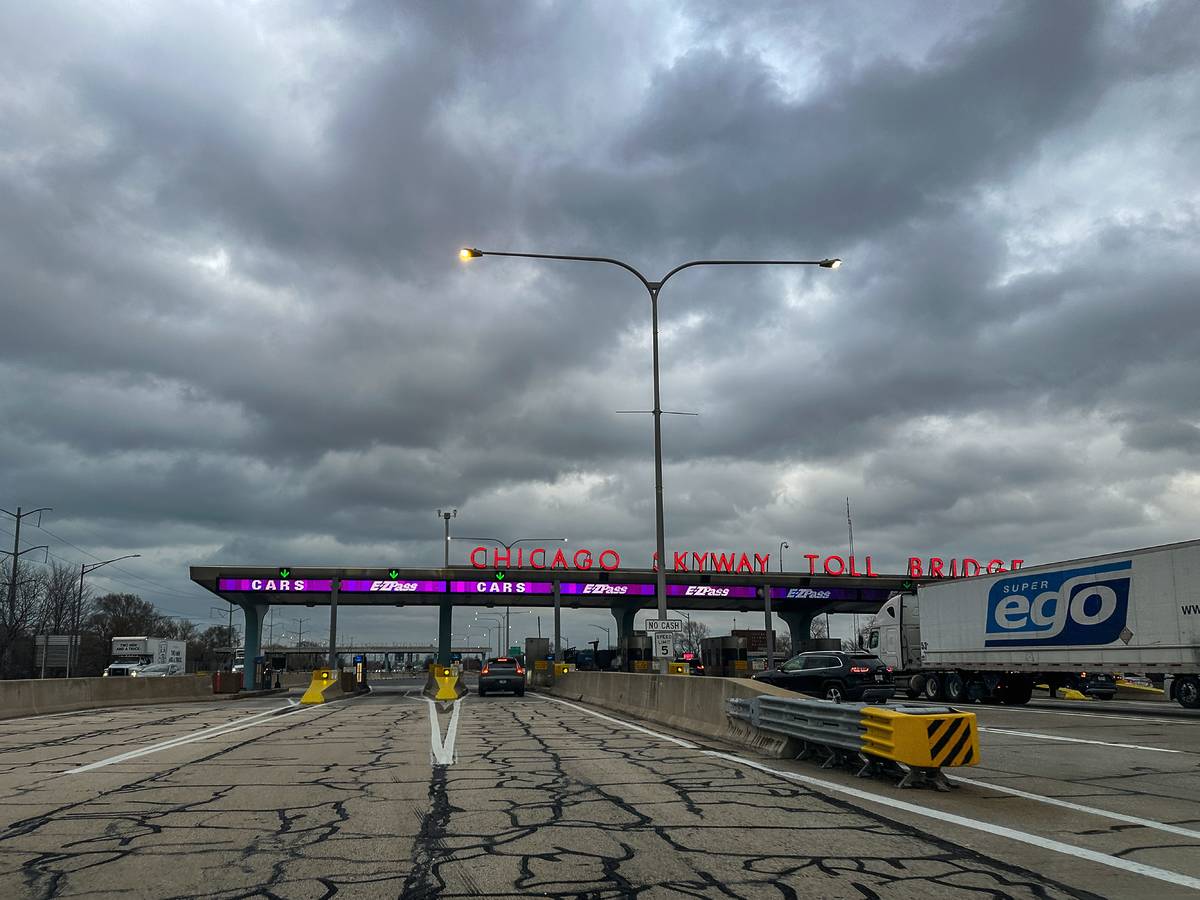
- Toll increases by 45 cents for passenger vehicles, and a 30% increase for all other vehicles, totaling $1 billion in earnings for the Illinois Tollway
- New 20-member board to replace the RTA
It is now up to Gov. J.B. Pritzker to sign the bill; if approved, it will go into effect on June 1, 2026.
CTA fare increase will move forward
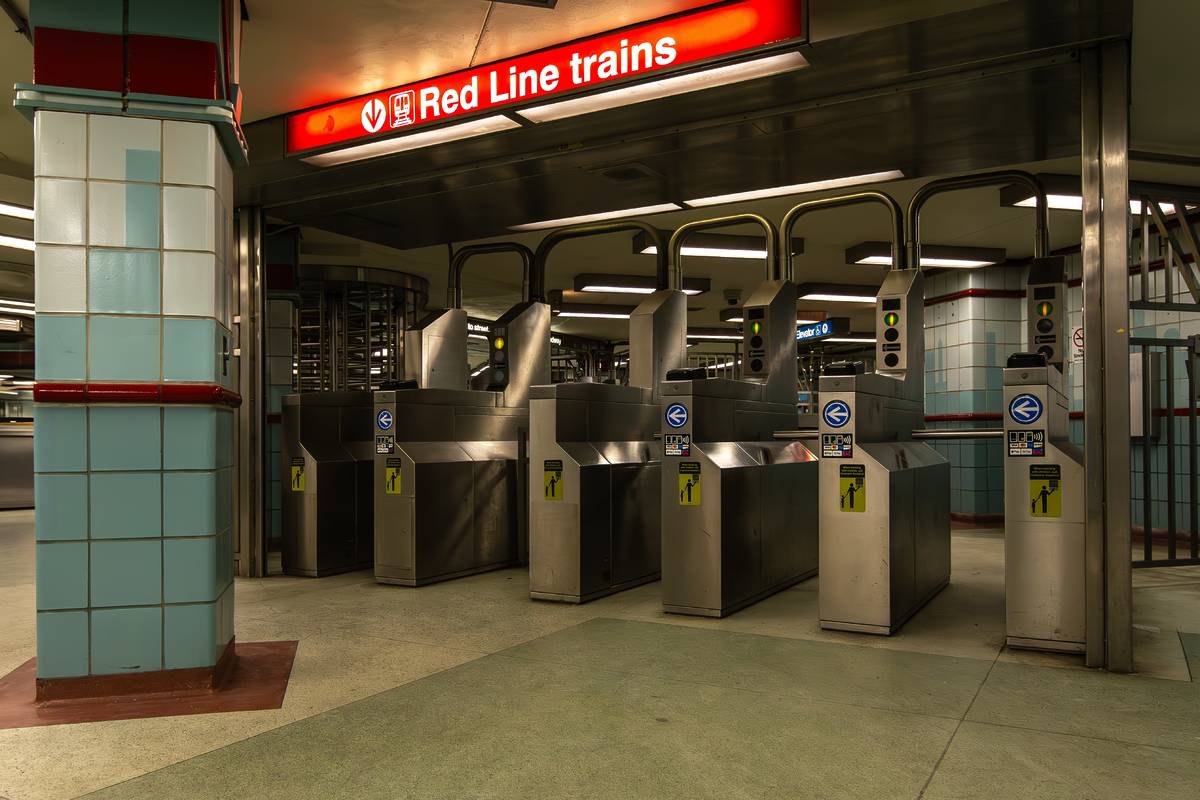
The funding package bars any public transit fare increases for one year after the date it goes into effect.
As such, the Chicago Transit Authority’s (CTA) plan to increase fares in February 2026 will still move ahead, since the increase will occur before the bill officially becomes effective in June.
Earlier tax proposals dropped

Gov. J.B. Pritzker shot down a previous iteration of the bill earlier this week that included tax increases on streaming services, large-venue concert tickets, and capital gains for the ultra-wealthy, according to Illinois Policy.
Additionally, a previously proposed 10% rideshare surcharge was not included in the approved bill.