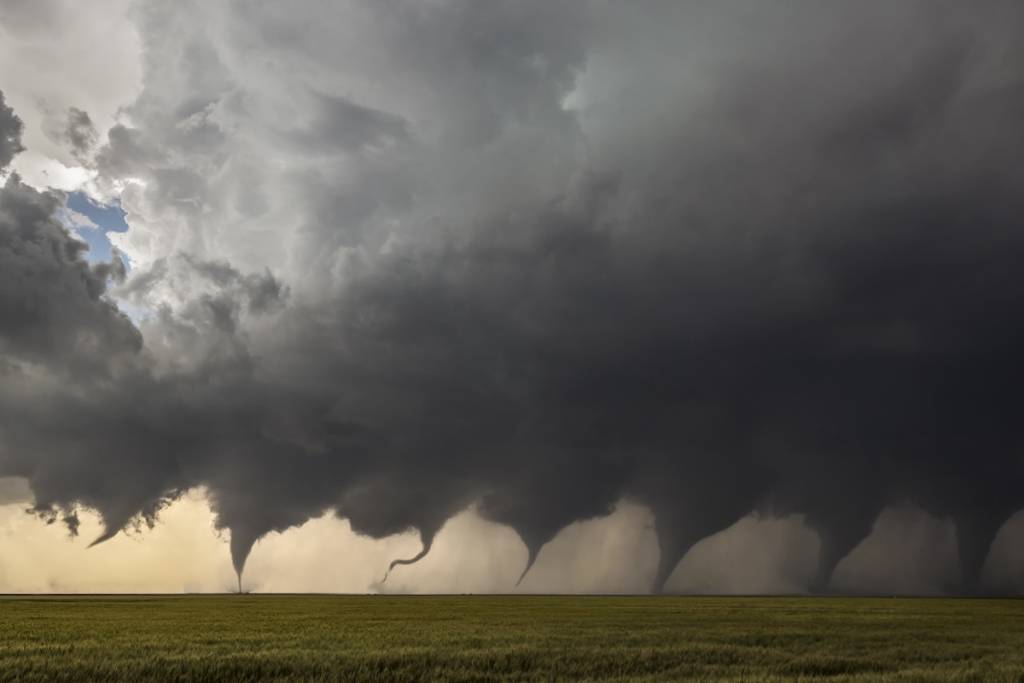

You may have heard recently that the infamous “Tornado Alley” of the United States has moved—and parts of Illinois may fall within the new region of impact.
It’s all thanks to recently released data from the National Oceanic and Atmospheric Administration (NOAA), showing a major uptick in tornado activity across the prairie state.
Here’s a breakdown of the numbers and what it means for the Chicago region.
2026 sees record-breaking tornado activity in Illinois
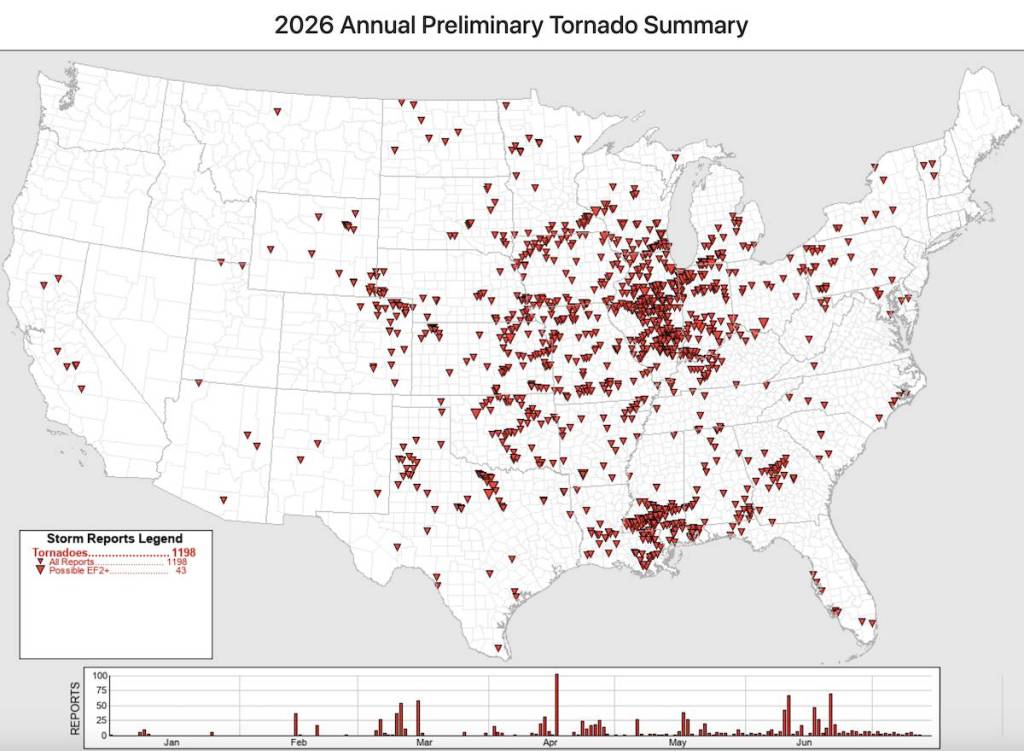
Historically, the section of the United States colloquially known as “Tornado Alley” has included portions of Oklahoma, Kansas, Northern Texas, Eastern Colorado, Nebraska, and South Dakota.
If 2026 findings from NOAA are any indication, however, Tornado Alley’s boundaries could be expanding.
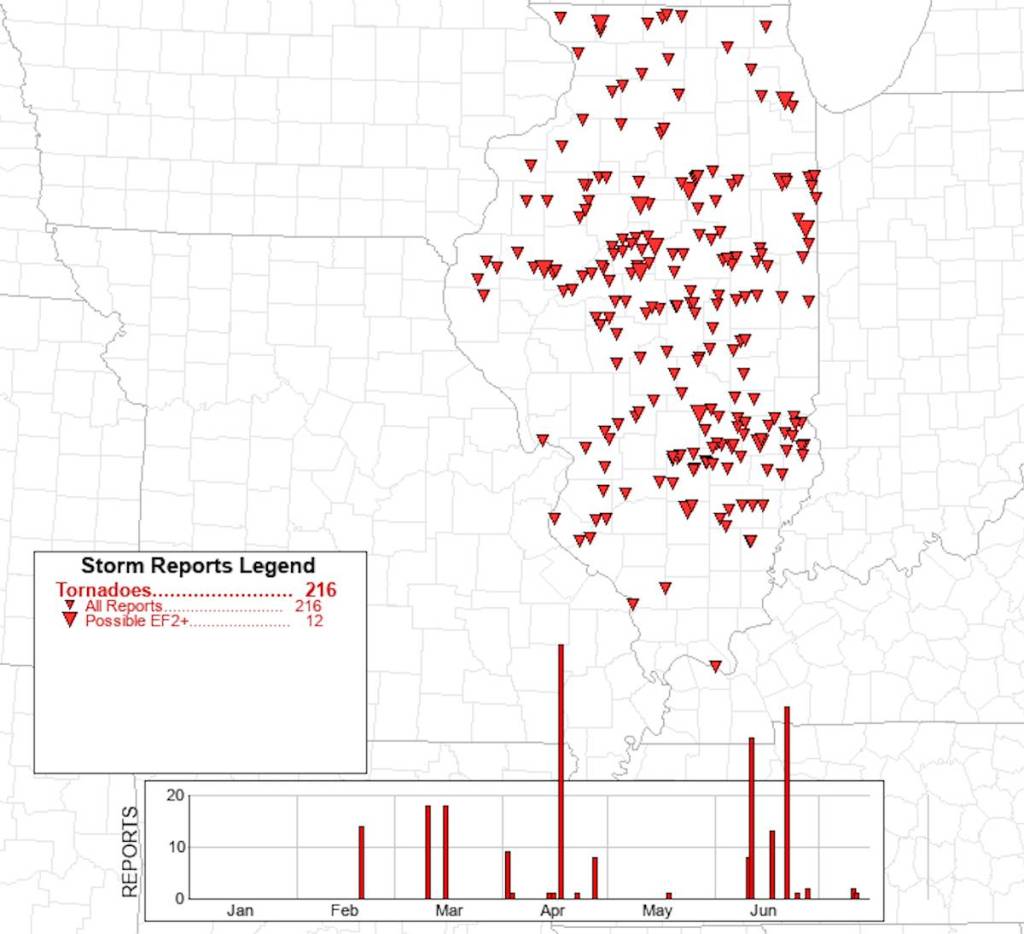
Data shows Illinois has seen 216 tornados in 2026 as of mid July, more than any other year on record. The majority of the reports have occurred south of the Interstate 80 corridor.
Of these reports, 12 storms have potentially surpassed the EF2 range, reserved for those with winds of 111mph or more.
This means that in the first 6-7 months of 2026 alone, Illinois saw more tornados than during the entirety of 2024, when the previous record of 139 tornados occurred.
Between January and April of this year, NOAA documented 119 tornado reports in Illinois.
This figure represents more than 6 times the average for the typical January-April period, and more than double the state average of 53 tornados per year.
The record-shattering 2026 data is part of a broader trend going back years.
A 2018 study from Northern Illinois University and the National Severe Storms Laboratory corroborates NOAA’s recent data reports.
The study documented a steady increase in incidents of tornados in Illinois between 1979 and 2017.
What’s causing the shift and what it means for Chicago
As for what is driving the increased tornado activity in Illinois, one factor could be the “Super El Niño” currently impacting the United States.
El Niño refers to a weather phenomenon wherein warm air forms over the equatorial Pacific Ocean and causes shifts in the jet stream.
Earlier this year, the National Weather Service predicted an unusually strong El Niño pattern could emerge throughout 2026.
Typically, El Niño is associated with suppressed tornado activity in the Midwest, according to 2025 report from Windward Risk.
However, some studies have found that increased moisture in the air during an El Niño phase can bring severe weather outbreaks to the Midwest.
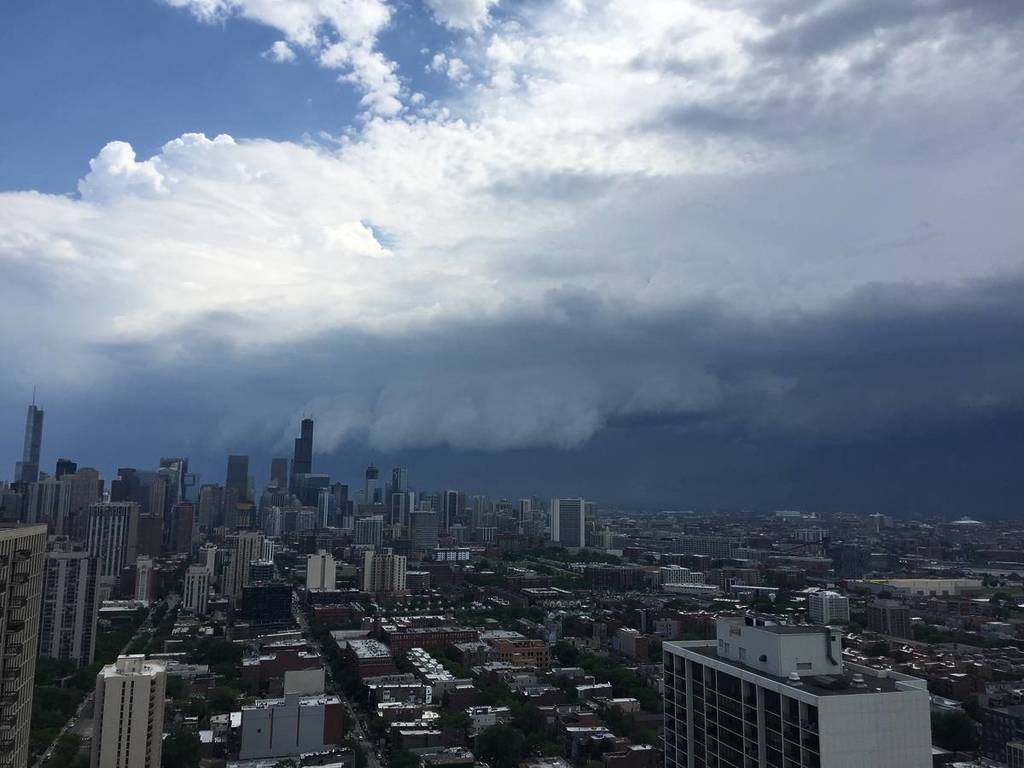
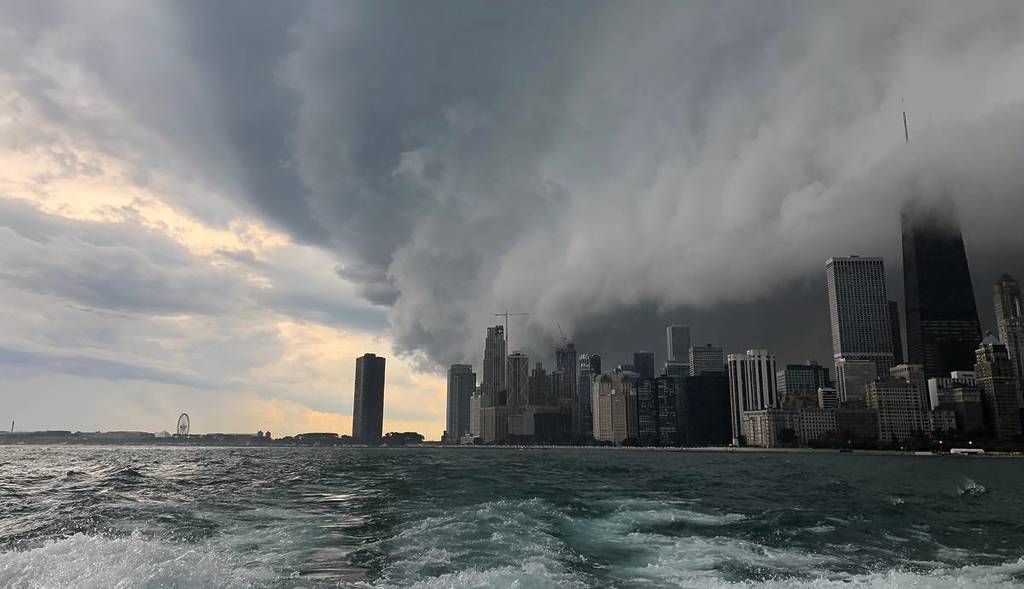
As for what all these changes mean for Windy City resident, tornadoes remain relatively rare in the immediate Chicago region.
However, if recent trends continue, we can expect to see greater frequency in local tornado reports in the coming years.