
The United States government officially shut down at midnight on October 1st, after congressional leaders failed to approve a federal short-term funding bill through late November, according to multiple reports.
This marks the first budget shortfall since 2018-2019, when a similar lapse closed the government for 35 days.
But what exactly is a government shutdown and what does it mean for Chicago? Here’s everything to know.
Understanding a government shutdown
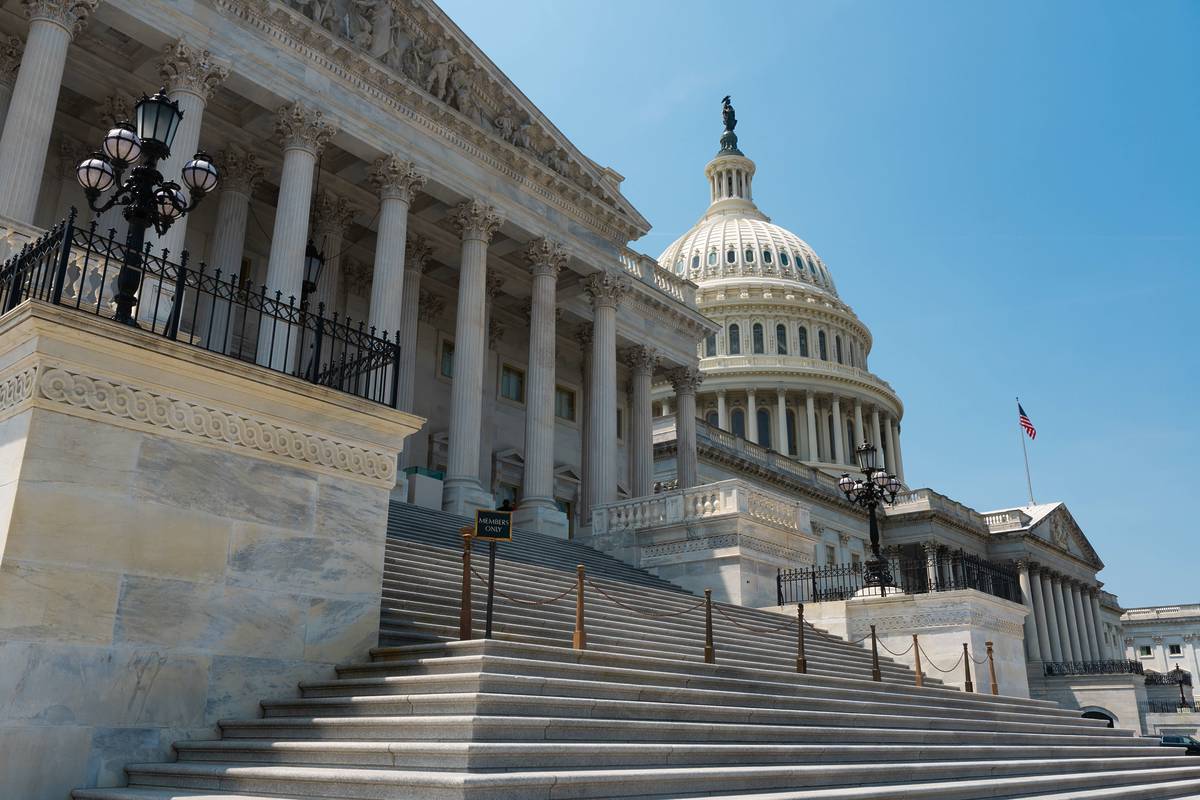
A government shutdown occurs when U.S. Congress fails to reach a plan to fund the government for the coming fiscal year.
Government shutdowns typically occur in late September, due to the annual funding deadline which coincides with the end of the federal fiscal year on September 30.
The closure of the government continues until congressional leaders can reconvene and resolve the stalemate.
What services are unaffected by a government shutdown?
While the term “government shutdown” would seem to indicate a full closure of all federal services, many governmental agencies remain open and in operation during a shutdown.
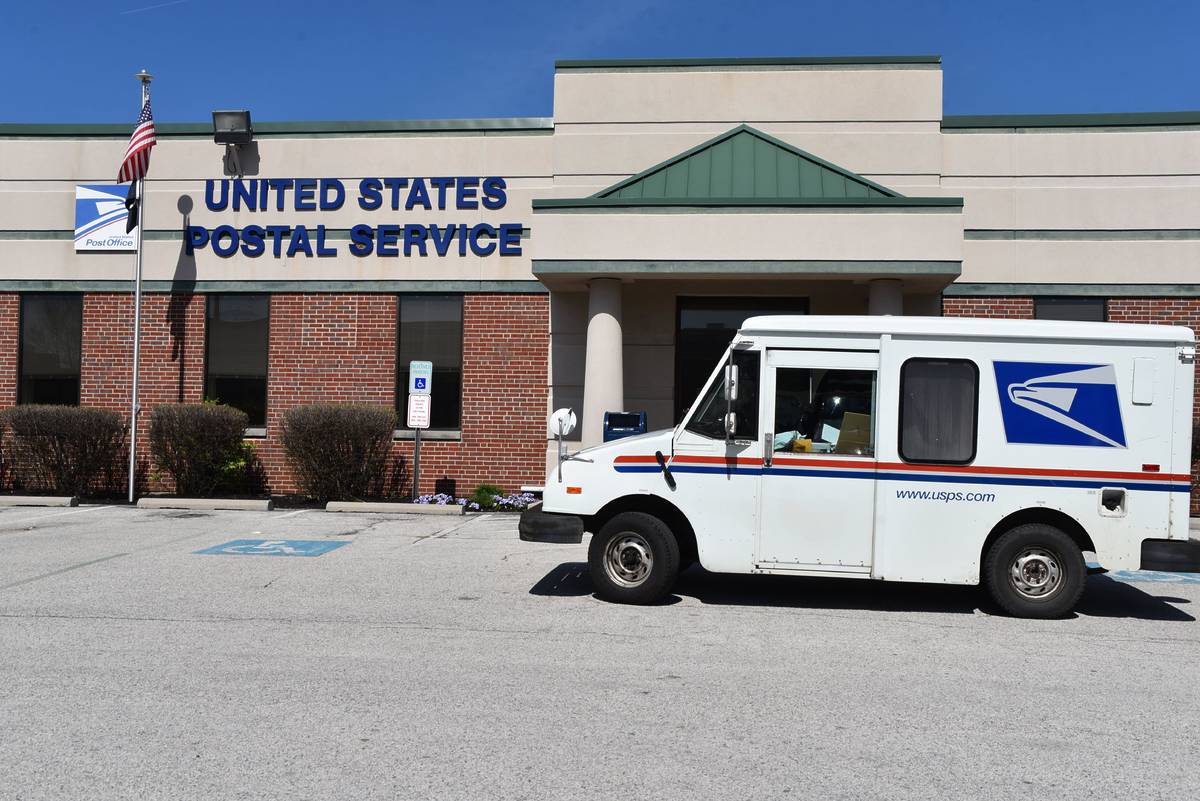
Shutdowns primarily impact “non-essential” federal services, meaning that essential programs like Social Security benefits, Medicaid, the U.S. Postal Service, continue operating as normal.
Here’s a look at some of the government agencies and services unaffected by the shutdown, according to the Corporate Finance Institute:
- Department of Defense
- Transportation Security Administration (TSA)
- U.S. Justice Department – Gun permit issuance is suspended
- U.S. Postal Service
- Social Security, Medicare, Medicaid
What services are impacted by a government shutdown?
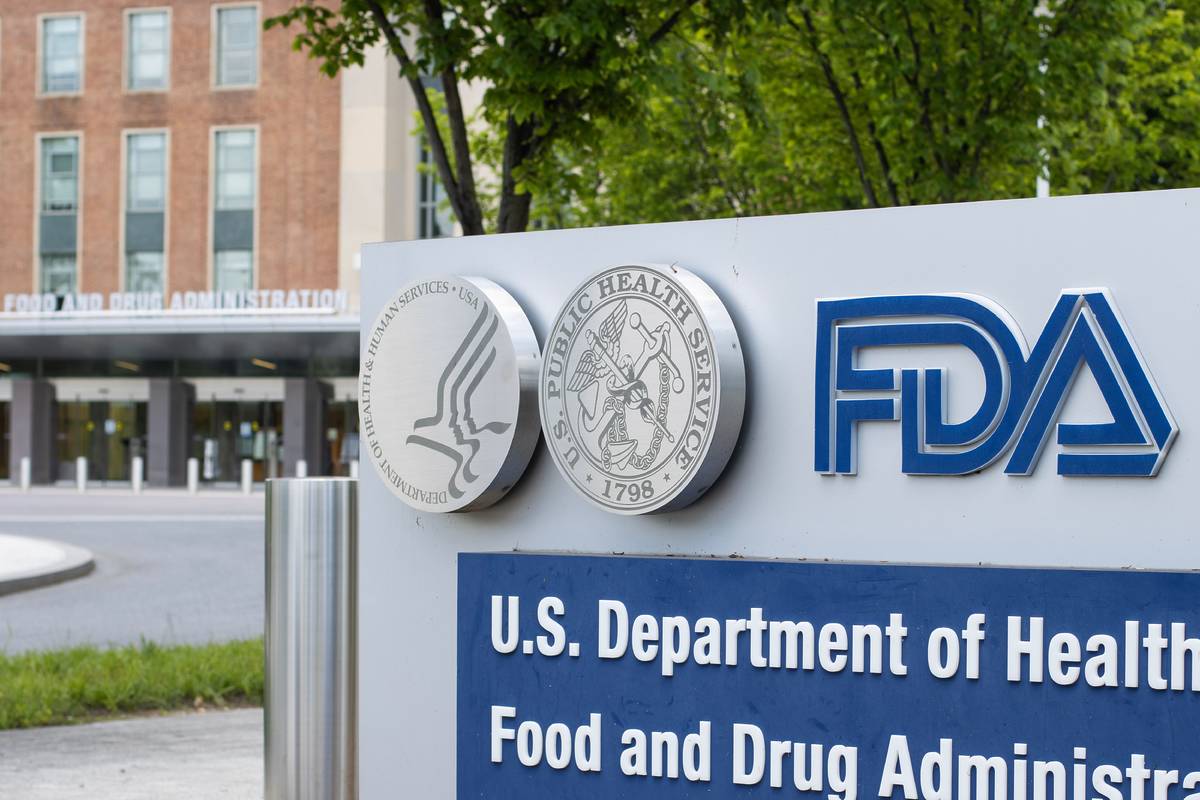
While many government agencies will continue functioning as normal, some non-essential services will close for the duration of the shutdown. During this period the government will furlough workers from the following departments:
- National Aeronautics and Space Administration (NASA)
- Department of Housing and Urban Development
- Department of Commerce, except the National Oceanic and Atmospheric Administration
- Environmental Protection Agency
- Department of the Interior – includes National Parks
- Food and Drug Administration
- Department of Education
- Health and Human Services
- Internal Revenue Service (IRS): exception for workers in charge of processing tax returns
- Department of Labor, including the Bureau of Labor Statistics
- National Institutes of Health
- Department of Energy – exception for workers overseeing nuclear arsenal, dams, and transmission lines
Why is the 2025 shutdown happening?
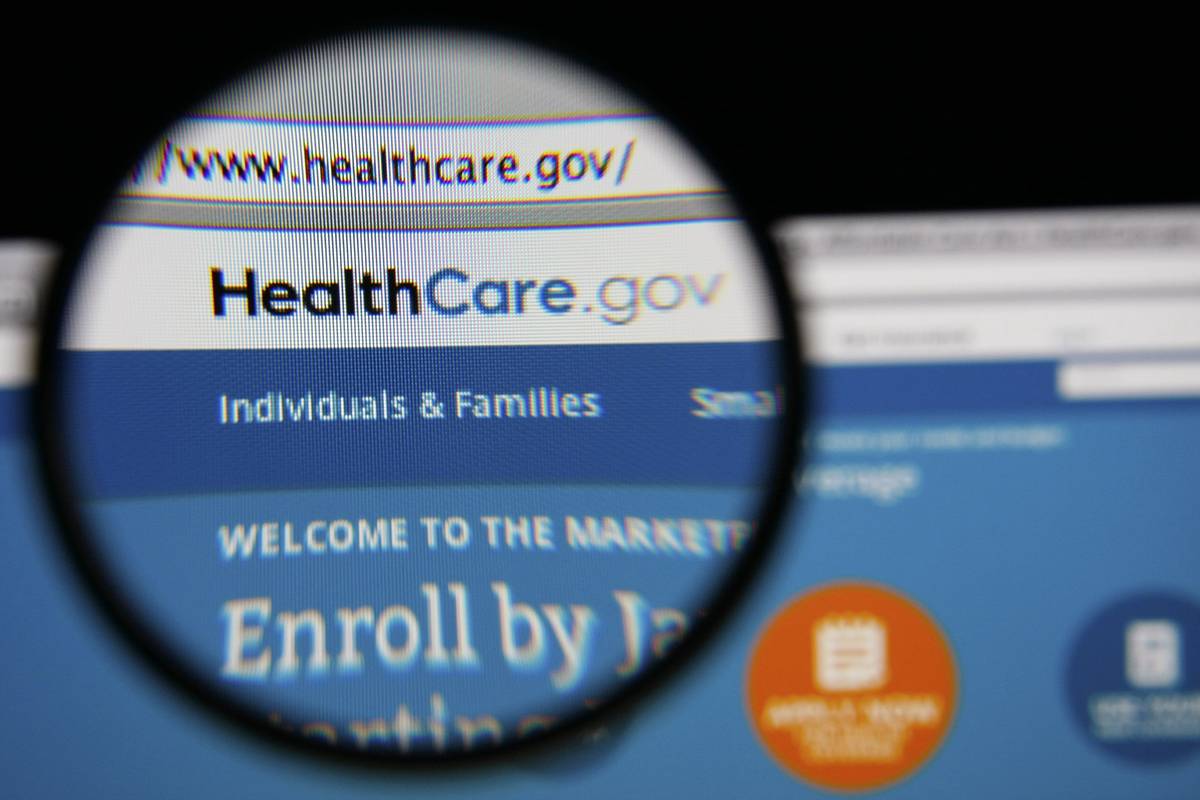
The 2025 government shutdown is primarily the result of Democratic and Republican leaders failing to reach a deal over the expiration of healthcare subsidies, according to the Associated Press.
Democratic leaders are pushing to extend federal tax credits approved by the Biden administration in 2021. The credits reportedly support middle- to low-income households receiving health insurance through the Affordable Care Act.
How long could the shutdown last?
With the government now shutdown for a week, an exact timeline for a resolution remains uncertain. The Senate reportedly failed to approve funding proposals for a sixth time on October 8.
How will the shutdown affect life in Chicago?

The effects of the government shutdown on daily life for the average Chicagoan will likely amount to a series of delays and inconveniences.
Chicagoans could see longer-than-normal wait times at O’Hare and Midway airports, as TSA and the Federal Aviation Administration (FAA) are required to continue working without pay.
According to the Sun-Times, the last government shutdown resulted in a large number of Chicago TSA agents calling off work due to the financial burden of the shutdown.
As such, travelers should prepare for potential delays at airport security checkpoints.
Additionally, Chicagoans could see delays obtaining Social Security payments, passports, and other services.
The U.S. Postal Service is unaffected by government shutdowns, so Chicagoans can plan to receive their mail as normal.