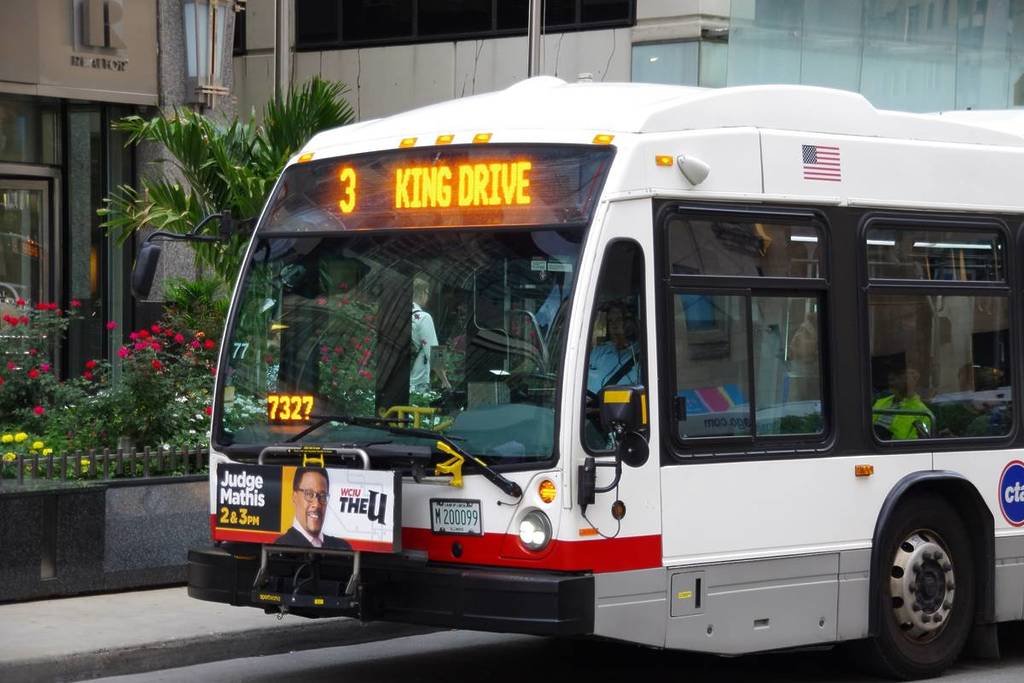

If you ride the bus through the Loop, your commute is about to get a whole lot smoother—or so we hope.
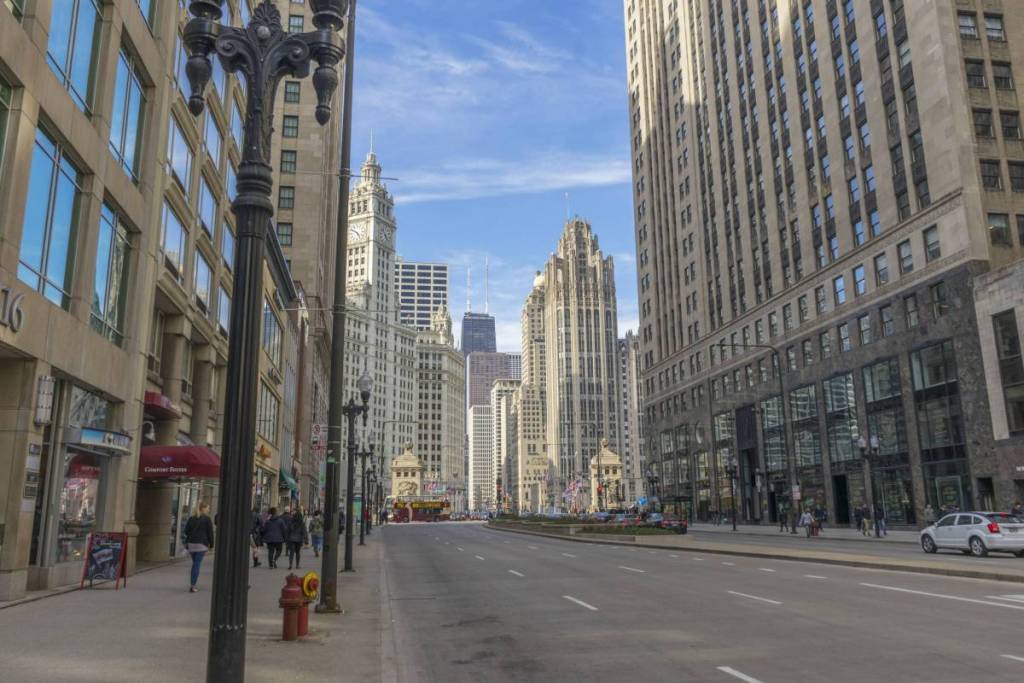
Chicago crews have begun installing a dedicated, bright-red northbound bus lane along Michigan Avenue, stretching from Roosevelt Road to Wacker Drive. The nearly 1.5-mile corridor is expected to make CTA trips through one of downtown’s most congested areas faster and more reliable.
The Chicago Department of Transportation says work should wrap up within seven to 10 days, weather permitting. Crews will add new pavement markings and signage to clearly designate the lane for buses.
Why Michigan Avenue
Michigan Avenue is one of the CTA system’s busiest bus corridors—and the numbers make the case for giving buses a little more room to move.
About 1,490 buses across 21 routes travel through at least part of the new dedicated lane each day. That includes four routes on CTA’s Frequent Network, where service arrives every 10 minutes or better:
- #4 Cottage Grove
- #J14 Jeffrey Jump
- #20 Madison
- #60 Blue Island/26th
More than 22,000 riders travel through this stretch every weekday, adding up to over 7 million trips annually. And while buses account for roughly 35 percent of morning-rush trips on Michigan Avenue, they represent only about 3 percent of vehicles on the road.
That mismatch is exactly what the new lane aims to address.
What riders can expect
Once complete, the dedicated lane will help buses avoid some of the traffic backups that regularly slow down trips through the Loop. CTA Acting President Nora Leerhsen said the change will make service faster and more dependable—not only on Michigan Avenue, but potentially across the wider network as buses stay closer to schedule.
Mayor Brandon Johnson also framed the project as an investment in the Chicagoans who rely on public transit every day to get to work, school, appointments, and essential services.
What happens after installation?
The Michigan Avenue bus lane isn’t simply being painted red and left to fend for itself. After installation, CDOT and CTA will spend the first six months monitoring how the new corridor performs.
The agencies will conduct field observations and collect data on bus travel times, on-time reliability, traffic flow, safety, and other conditions along the route. Those findings will help determine whether the lane needs any adjustments after it launches.
How the lane will be enforced
To keep the dedicated lane clear for buses, the Michigan Avenue corridor will fall within the city’s Smart Streets Pilot Program enforcement area.
The program uses camera technology to enforce parking and standing restrictions in bus lanes, bike lanes, and at bus stops—an important measure in a busy downtown corridor where a single stopped vehicle can quickly create major delays.
The goal is to ensure buses can actually use the lane as intended, rather than getting stuck behind illegally parked or standing cars.
Part of a bigger transit plan
The Michigan Avenue project is one piece of Chicago’s broader push for streets that move people more safely and efficiently.
Through CTA and CDOT’s Better Streets for Buses initiative, the city is expanding transit-priority infrastructure designed to cut down on delays and make everyday bus trips more reliable. That can include:
- Dedicated bus lanes
- Transit-friendly traffic-signal improvements
- Bus boarding islands
- Other street-design changes that prioritize buses at congested points
For Loop riders, the new Michigan Avenue lane could mean less time sitting in traffic—and a more predictable trip through one of Chicago’s busiest corridors.