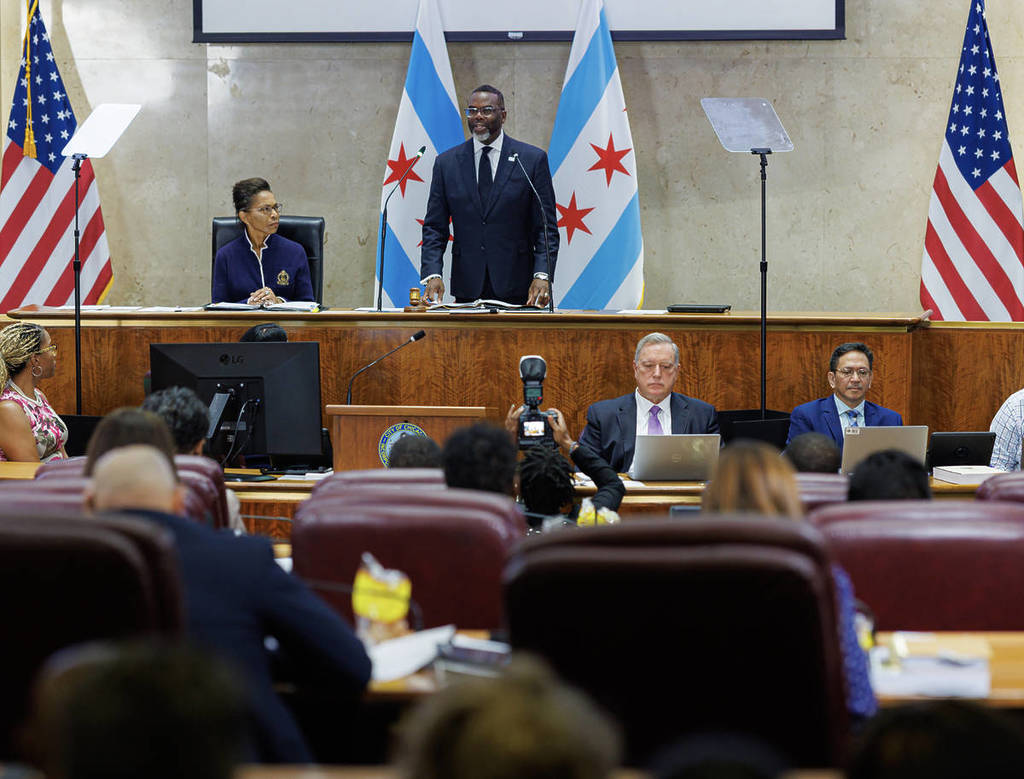
Mayor Brandon Johnson presented the 2026 Protecting Chicago Budget proposal before city council on Thursday, outlining plans for increasing revenue while avoiding a hotly contested property tax increase in the new year.
The financial plan includes new taxes targeting big tech and the wealthy, as well as reduced expenses for everyday Chicagoans. Here’s a comprehensive breakdown of the budget.
Cost-cutting across city departments

The 2026 budget includes structural reforms to increase efficiency across departments and reduce taxpayer spending by as much as $200 million.
Mayor Johnson’s proposal aims to cut costs by consolidating city assets and decreasing contract spending, while avoiding mass layoffs of city workers. Here’s what the budget proposes, according to a release:
- Hiring freeze across all city departments
- Consolidation of the City’s real estate assets, including office space and vacant land
- Reduced contracts with city vendors amounting to $10 million in savings
- Reduction in overtime expenses for police officers
- Elimination of redundant technology contracts across all city departments
Reduced taxes for everyday Chicagoans

If approved, the 2026 budget could deliver significant savings for the average Chicagoan by way of ending the city’s controversial grocery tax and other measures. Additionally, the budget avoids a property tax hike, marking a diversion from budget-balancing tactics put forth in recent years.
The 2026 proposal includes the following tax reductions:
- No property tax increase
- The abolition of the Grocery Tax
- Motor vehicle lessor tax reduced from $2.75 to $0.50 per rental period.
New taxes for tech companies, yacht owners, and landlords
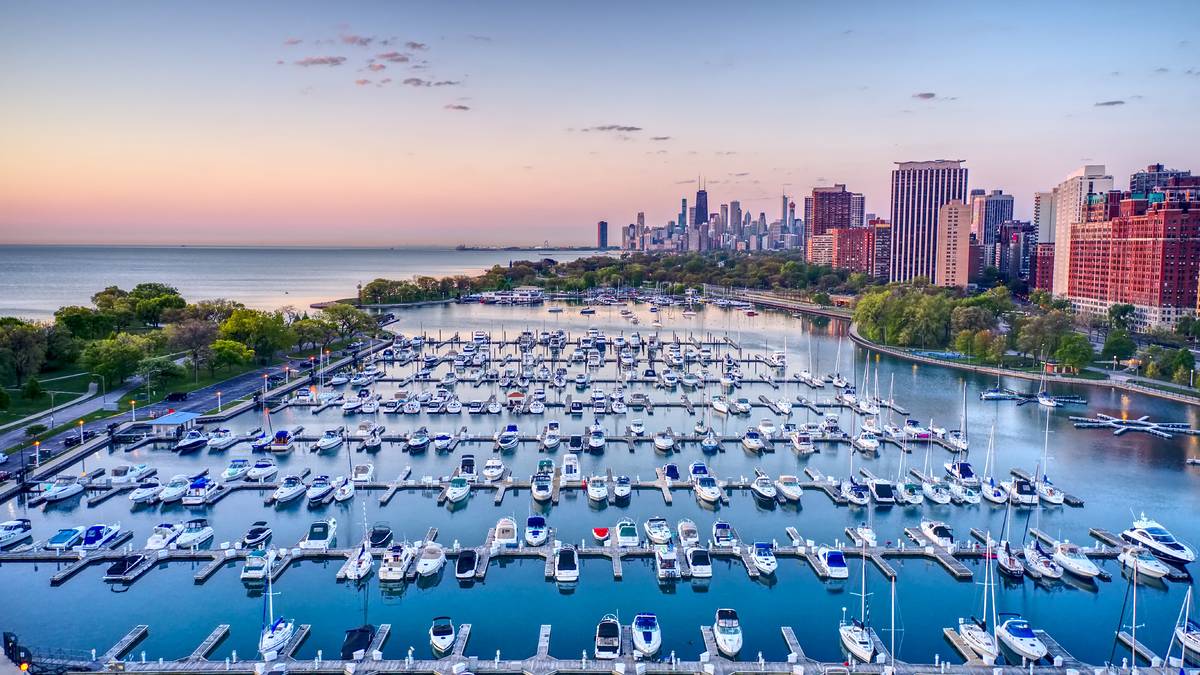
Under the proposal, corporations and wealthy Chicagoans could pay heftier taxes in 2026. Proposed tax increases target tech corporations, landlords, and yacht owners:
- “Yacht Tax” to bring boat-mooring fees at City harbors in line with historical rates and city parking standards
- Increase in the “Vacant Building Fee” renewal fee to incentivize development and reduce urban blight
- Increase in the PPLT tax rate for big tech companies.
Funding for infrastructure, childcare, and green initiatives
Additionally, the budget includes continued financial commitments to city initiatives boosting sustainable development, infrastructure, and resources for vulnerable Chicagoans. Here’s a few of the initiatives receiving renewed funding.
- $5M increase in funding for the Rapid Rehousing program which secures affordable shelter options for unhoused Chicagoans
- $7M investment into “Childcare for All” initiative, raising wages for thousands of local childcare professionals
- Millions in funding directed towards infrastructure improvements for West Side residents adversely impacted by flooding in 2023 and 2024
City Council now has until the end of the year to negotiate and ultimately vote on Mayor Johnson’s proposed budget. Council members must approve a budget by December 31, 2025.
For a full overview of the 2026 Protecting Chicago Budget, click here.