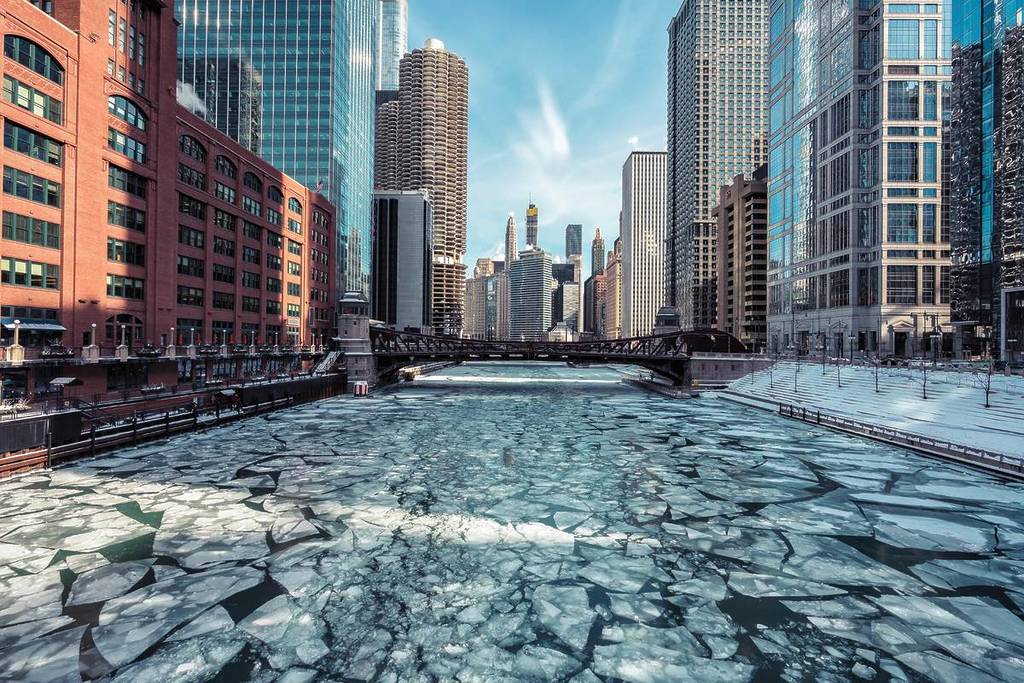
We’d prefer not to recall the winter of 2013-2014, which was one of the coldest and snowiest on record in Chicago.
During that winter, there were over 20 nights with temperatures dropping below zero, and snow fell almost every other day for months, making it a long and challenging season.
We don’t want to cause alarm, but this winter could be similar due to a significant area of unusually warm ocean water, often referred to as “The Blob.”
How “The Blob” could affect winter in Chicago
According to CBS News, “The Blob,” also known as a “warm blob,” is a marine heatwave characterized by much warmer-than-normal ocean temperatures for an extended period. This phenomenon can have significant impacts on weather patterns in the Midwest.
In August 2025, the average sea surface temperature across the North Pacific Ocean set a record, reaching an unprecedented 69 degrees Fahrenheit, the highest on record, according to NOAA.
This leads us back to the third-coldest winter on record in 2013-2014, which was influenced by the only warm “blob” on record that approached the current observations.
A warm blob over the North Pacific often corresponds with a large area of high pressure, or a bump northward in the jet stream. Since the atmosphere likes equilibrium, where there is a large ridge, a large dip in the jet stream, or trough, often follows. This trailing dip in the jet stream during a warm blob event typically bisects the U.S., driving outbreaks of Arctic air and massive snowfall events into the Chicago area and Upper Midwest.
The presence of a significant warm blob event increases the likelihood of a snowier-than-normal winter ahead. However, we won’t have a definite answer until December arrives!
In the meantime, we’ll simply enjoy the warm fall breeze.