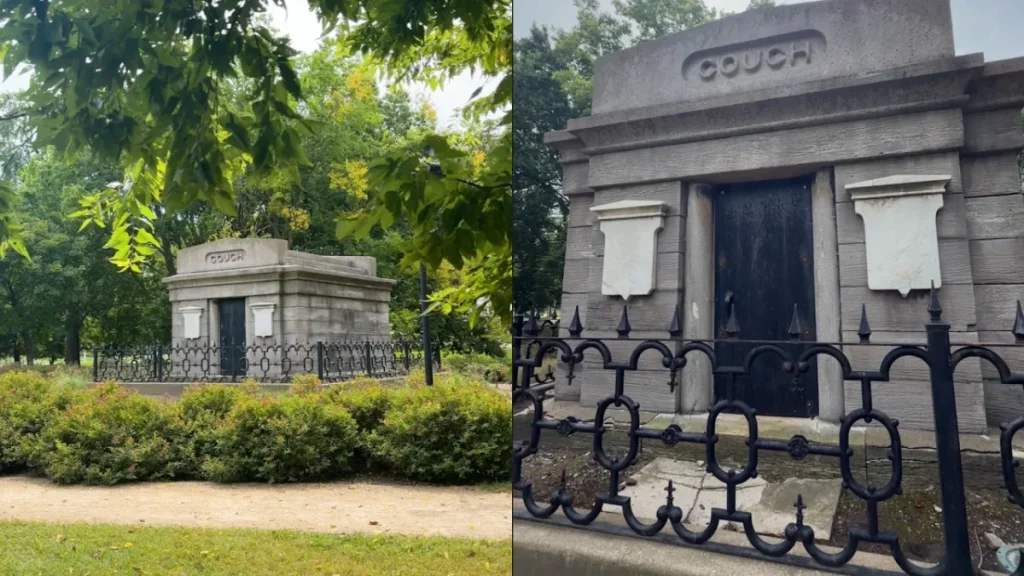

Beneath the lawns and busy paths of Lincoln Park lies Chicago’s original city cemetery—a history that has led some residents to believe the area is haunted. While the park is now known for recreation, one solitary stone mausoleum still stands above ground.
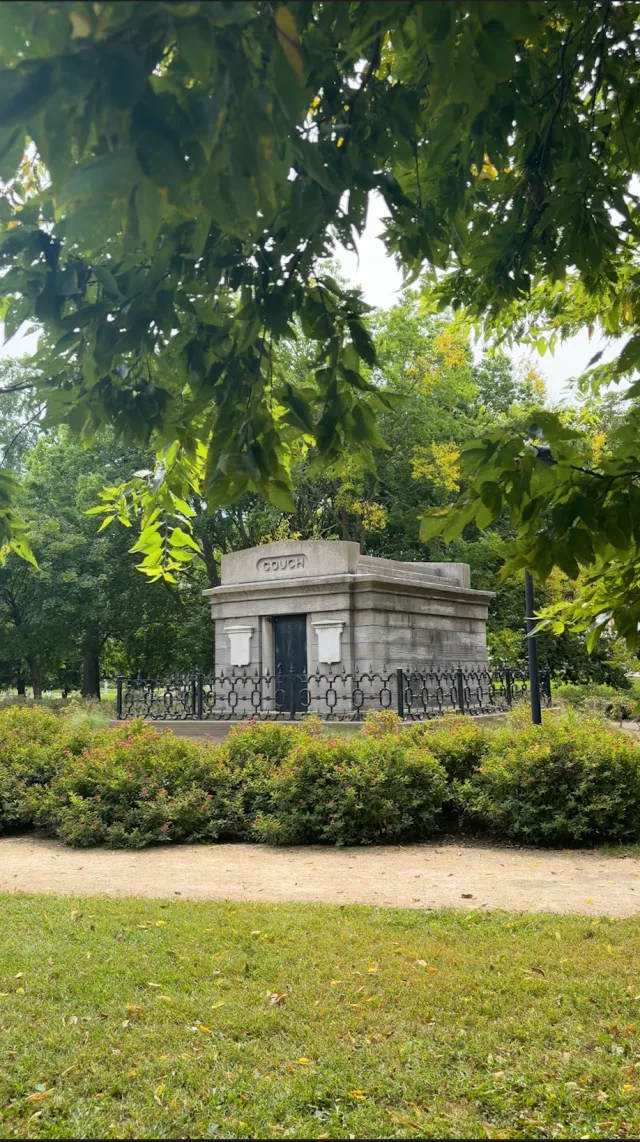
The Couch Tomb serves as the last surviving above-ground structure from the former cemetery that once covered the landscape before poor drainage, disease concerns, and the city’s growth forced its closure.
From 1843 until burials ended in 1866, the grounds operated as Chicago’s City Cemetery. During its active years, up to 15,000 people were buried near the water’s edge. The expansive site included a potter’s field, a Jewish burial section, and the graves of Civil War soldiers and cholera victims.
Disrepair and the Great Fire
By the 1850s, the lakefront cemetery was severely deteriorating. Water from Lake Michigan seeped into the burial grounds, creating unsanitary conditions, while odors from the graves became a growing concern. The city began converting the cemetery into Lincoln Park in 1869; two years later, the Great Chicago Fire further damaged the remaining burial ground.
While many remains were relocated, an unknown number of graves were left behind. Today, many early city residents may still lie beneath the park’s grass, walking paths, and Lake Shore Drive.
The mystery of Ira Couch
The stone mausoleum near 2045 N. Lincoln Park West is the last surviving above-ground structure from this massive public works transformation. The tomb was originally constructed for local hotelier Ira Couch. Historians confirm Couch was entombed there, but it remains unknown whether his remains—and any others—still lie inside.
A family marker at Rosehill Cemetery has fueled speculation that some family remains may have been relocated, though the tomb’s contents have never been definitively confirmed. The locked stone structure remains the park’s most visible reminder of its original purpose.