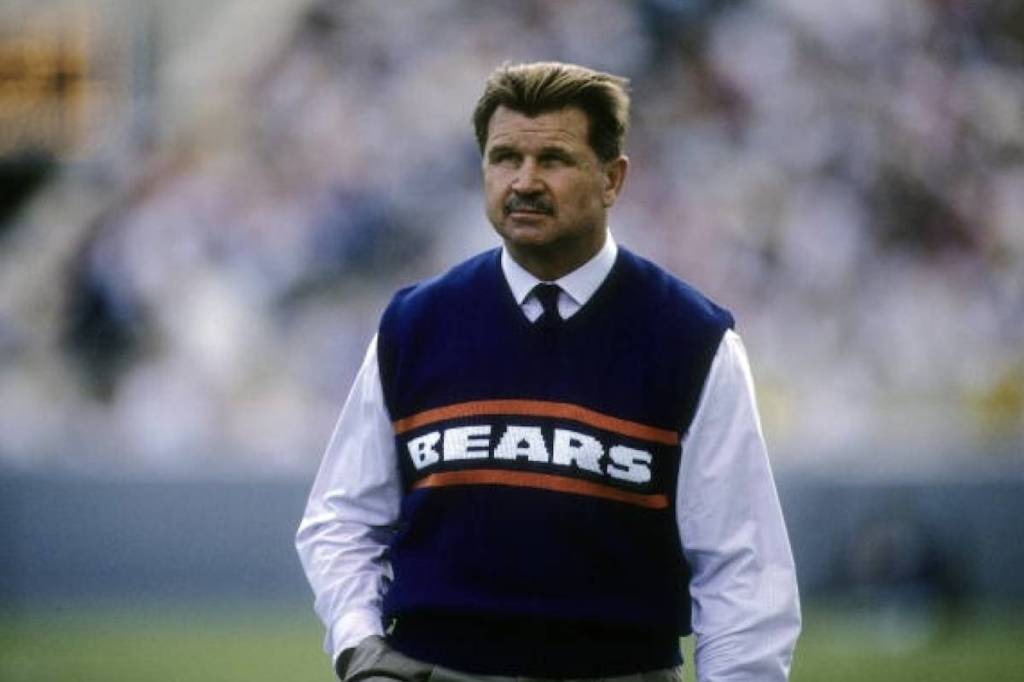

Mike Ditka, the legendary former Chicago Bears coach and the first tight end inducted into the Pro Football Hall of Fame, died at 86 on Friday, October 9, 2026, his family said in a statement.
Known to generations of Bears fans as “Iron Mike,” Ditka built a remarkable Chicago football legacy as both a championship-winning player and the coach behind the famed 1985 Bears.
“It is with profound sadness that we announce the passing of our beloved husband, father, grandfather, and friend, Mike Ditka,” his family said in a statement.
“While the world knew Mike as a Hall of Fame football player, legendary coach, and leader of the Chicago Bears’ Super Bowl XX championship team, we knew him as the heart of our family. Mike will be missed beyond measure and remembered forever.”
The coach behind the 1985 Bears
Bears founder George Halas, who had previously coached Ditka, hired him as Chicago’s head coach in 1982. Over 11 seasons, Ditka guided the Bears to seven playoff appearances and three NFC Championship Games.
His defining season came in 1985, when the Bears finished 15–1 before delivering a dominant postseason run. Chicago shut out the New York Giants and Los Angeles Rams, then defeated the New England Patriots 46–10 in Super Bowl XX. Ditka earned NFL Coach of the Year honors in 1985 and again in 1988.
That championship secured his place among the most celebrated figures in Chicago sports.
A legendary football legacy
Ditka’s Bears story began long before he took over on the sidelines.
Chicago selected him fifth overall in the 1961 NFL draft, and he earned Rookie of the Year honors after becoming the first tight end to record 1,000 receiving yards in his rookie season.
He spent six seasons with the Bears, helping Chicago win the 1963 NFL championship, before playing two seasons with the Philadelphia Eagles and four with the Dallas Cowboys. With Dallas, he won Super Bowl VI and caught the game’s final touchdown pass.
In 1988, Ditka became the first tight end enshrined in the Pro Football Hall of Fame. The Bears later retired his No. 89 jersey, honoring a career that helped define both the position he played and the franchise he led.