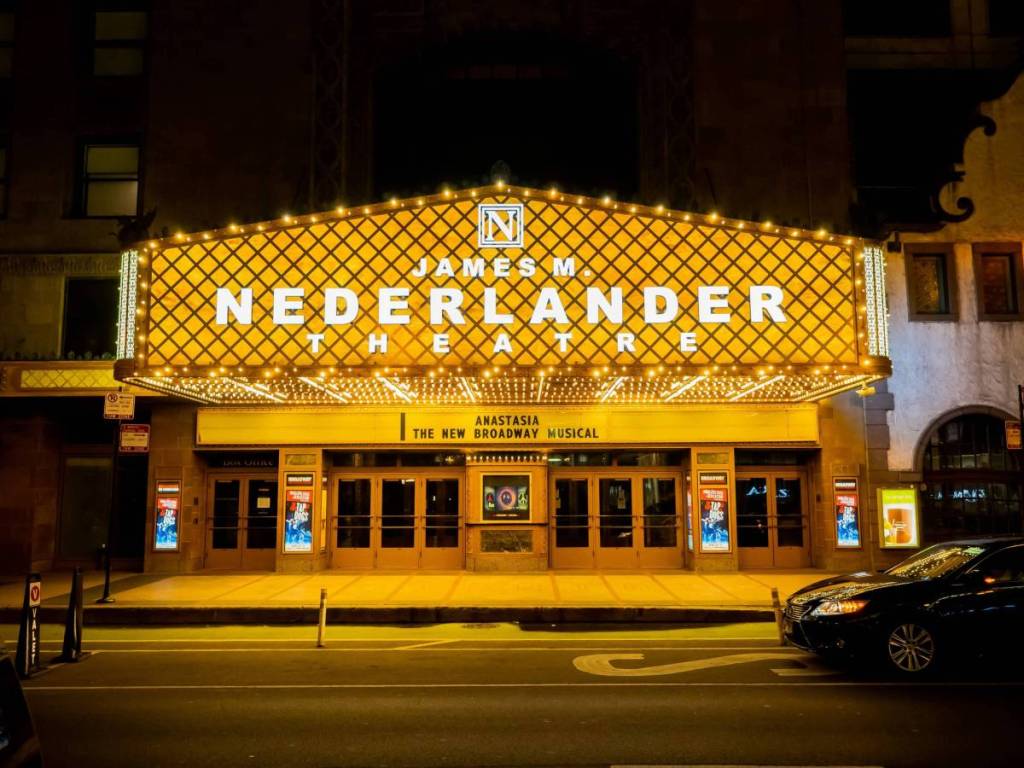

Behind the James M. Nederlander Theatre in the Loop, a narrow alley holds a devastating chapter of Chicago history. Officially called Couch Place, the passage is also known as “Death Alley”—a name tied to the 1903 Iroquois Theatre fire, which claimed an estimated 602 lives.
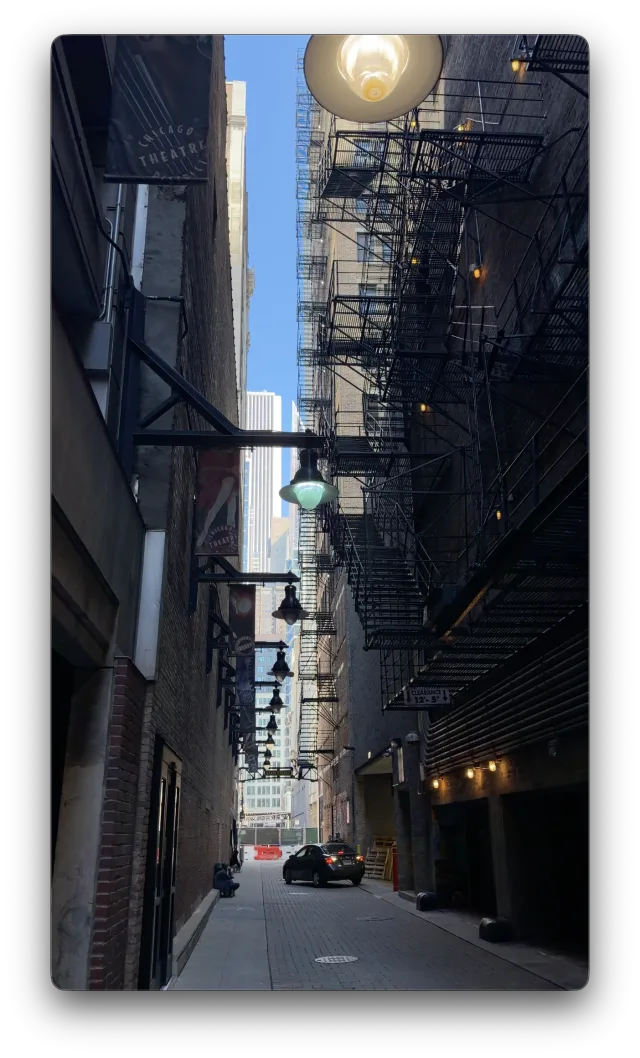
Today, it’s easy to see an ordinary downtown backstreet. But on December 30, 1903, the alley became an escape route for audience members fleeing what remains the deadliest single-building fire in U.S. history.
The Tragedy behind the name
The Iroquois Theatre had opened just over a month earlier, promoted as “absolutely fireproof.” During a packed holiday matinee of Mr. Blue Beard, an arc light ignited a backstage curtain, and flames quickly spread through the scenery. Many of those in the audience were women and children.
A series of safety failures turned the fire into a catastrophe. The stage’s fire curtain failed to lower fully, some exits were obstructed, and inward-opening doors became impossible to open against the crush of people trying to escape.
Other audience members reached the fire escapes above Couch Place, only to encounter incomplete or dangerous routes to safety. Some escaped with help from people in neighboring buildings; others fell to their deaths. The alley’s grim nickname emerged in newspaper coverage immediately after the disaster.
The theater standing here today isn’t the original Iroquois. That building was demolished in 1925, and the Oriental Theatre opened on the site in 1926. It became the James M. Nederlander Theatre in 2019.
A Stop On Chicago’s Ghost Tours
Couch Place’s tragic history has also made it a stop on Chicago ghost tours. CBS Chicago has reported accounts from a local tour guide describing alleged apparitions in and around the theater, along with visitors’ claims of unusual experiences in the alley. These are ghost stories and personal accounts, not established evidence of paranormal activity.
Whether you visit for the local history or take a ghost tour, Couch Place offers a sobering connection to Chicago’s past. The disaster helped spur stricter fire-safety measures, including wider use of panic bars and stronger requirements for exits, equipment, and capacity limits.