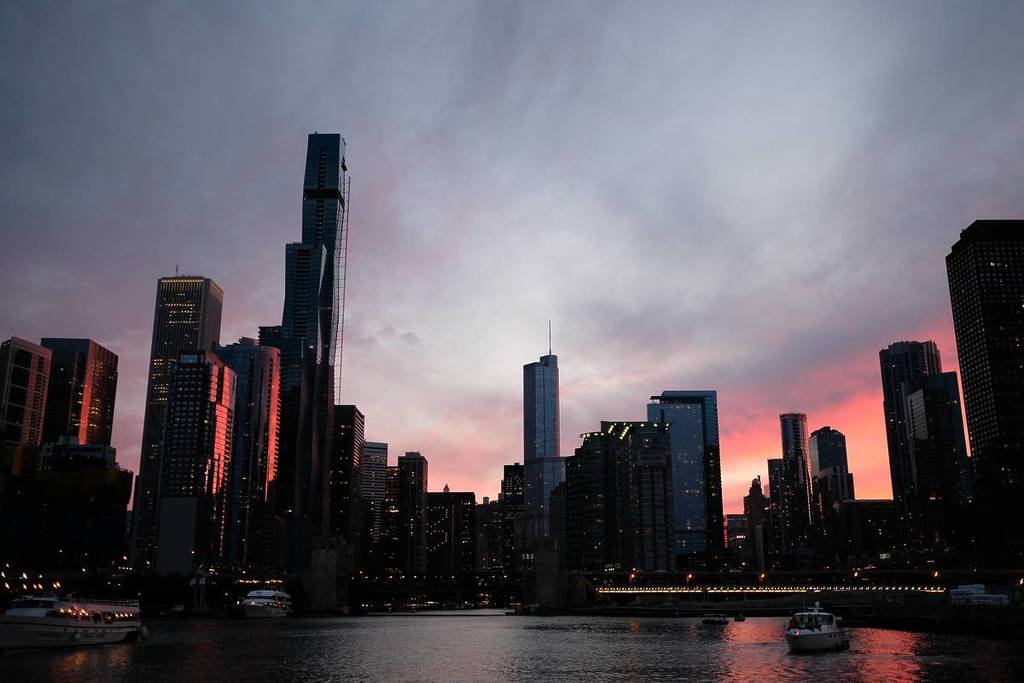

If you’ve noticed that the towering skyscrapers in Chicago stopped lighting up at night as of yesterday and are confused by this sudden change, you’re not alone. Many people are unaware of why the skyline has become completely dark.
Chicago has implemented its seasonal “Lights Out” program, which significantly reduces light pollution after sunset. This initiative is part of a broader effort to protect migratory birds, aiming to save 10,000 birds each year.
Chicago is following a massive ‘Lights Out’ rule to save 10,000 birds annually
The goal of the “Lights Out” program is simple: to protect as many birds as possible during migration season.
From March 15 to June 15, Chicagoans should turn off decorative lighting on upper stories of buildings after 11 PM and keep it off until dawn.
Tenants on upper floors are encouraged to turn off their lights or draw their blinds after 11 PM. This applies to all buildings that are 40 stories or taller, as well as to buildings that are taller than 20 stories and isolated from other structures.
Why do skyscrapers pose a danger to migratory birds at night?
The building’s illumination confuses the birds’ navigation systems, leading them to circle the buildings repeatedly until they succumb to exhaustion or collide with them.
What to know about the ‘Lights Out’
According to the city of Chicago, these are the guidelines you should follow.
- Draw curtains or blinds to minimize light escaping from the building.
- Use timers to ensure lights are only on when necessary, if at all.
- Install motion-sensitive lighting.
- Utilize lower-intensity lighting whenever feasible.
- In outdoor public areas where lighting is essential for safety, avoid “light trespass” by using fixtures that direct light downward, rather than horizontally or upward.
- Use desk lamps or task lighting for security desks and workstations rather than overhead lighting.
- Schedule cleaning crews to work during daylight or early evening hours rather than after 11 PM.
- Avoid illuminating interior plants or fountains that may attract birds.
- Use “zone-capable” interior lighting systems that provide selective rather than full-area illumination.