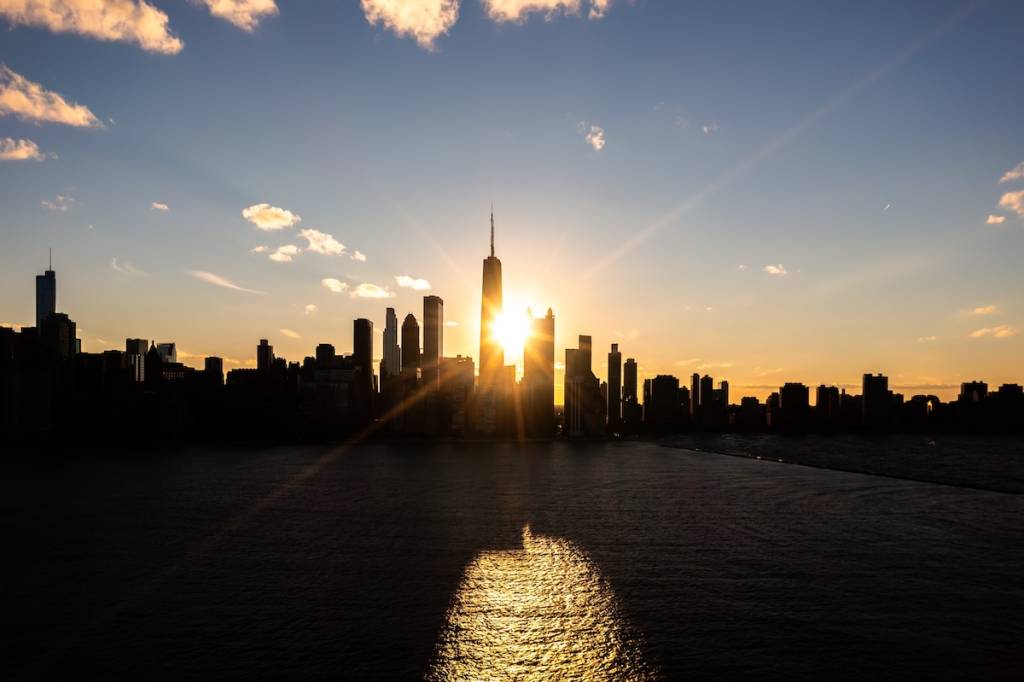

Chicago’s fall “Lights Out” season has officially wrapped up. The program’s annual fall participation window ran from August 15 through November 15, encouraging residents and building managers to dim or switch off nonessential lighting overnight to help protect migrating birds.
While September was a month of heightened migration, Lights Out Chicago continued until this month.
The voluntary program asks participating buildings to reduce unnecessary lighting from 11 p.m. until sunrise during its spring and fall seasons.

Why Chicago’s skyscrapers dim their lights during migration
Chicago’s illuminated skyline can pose a danger to birds traveling at night. Bright building lights can disrupt their navigation, drawing them toward buildings where they may circle repeatedly, become exhausted, or collide with glass. Reflective and transparent windows also present hazards as birds settle down to rest and feed in the early morning.
Lights Out Chicago aims to reduce those risks by limiting the amount of light buildings emit overnight. According to the City of Chicago, participating downtown buildings have helped save thousands of birds annually since 1995, while also reducing energy and maintenance costs.
When does Chicago’s ‘Lights Out’ program return?
The next regularly scheduled participation window is March 15–June 15, followed by the fall window of August 15–November 15. During both periods, the city encourages owners and managers to turn off or dim decorative exterior lighting, reduce lobby lighting where possible, and limit light escaping from rooms overnight.
The program is managed by the Chicago Bird Alliance alongside Chicago Bird Collision Monitors, the Building Owners and Managers Association, and the City of Chicago. It is a voluntary conservation initiative—not a blanket requirement for every Chicago building to go dark.