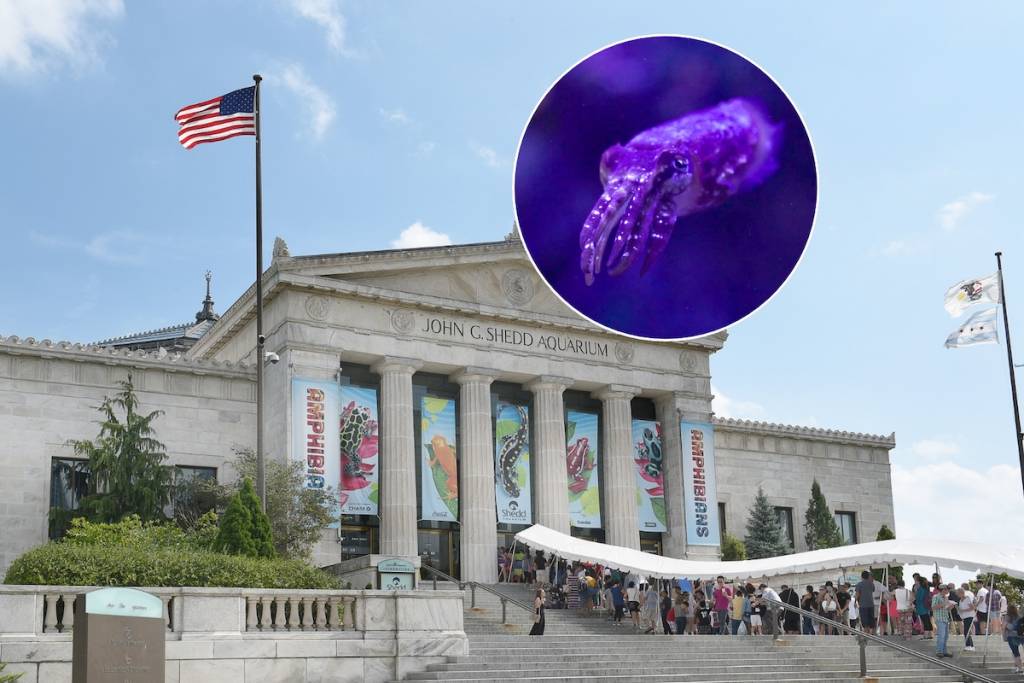

The Shedd Aquarium has welcomed a group of small but mighty new residents to its aquatic family: a pod of stumpy cuttlefish.
But just what are cuttlefish and what makes these critters special?
Here’s everything to know about the sea creatures and where to see them in action.
All about cuttlefish
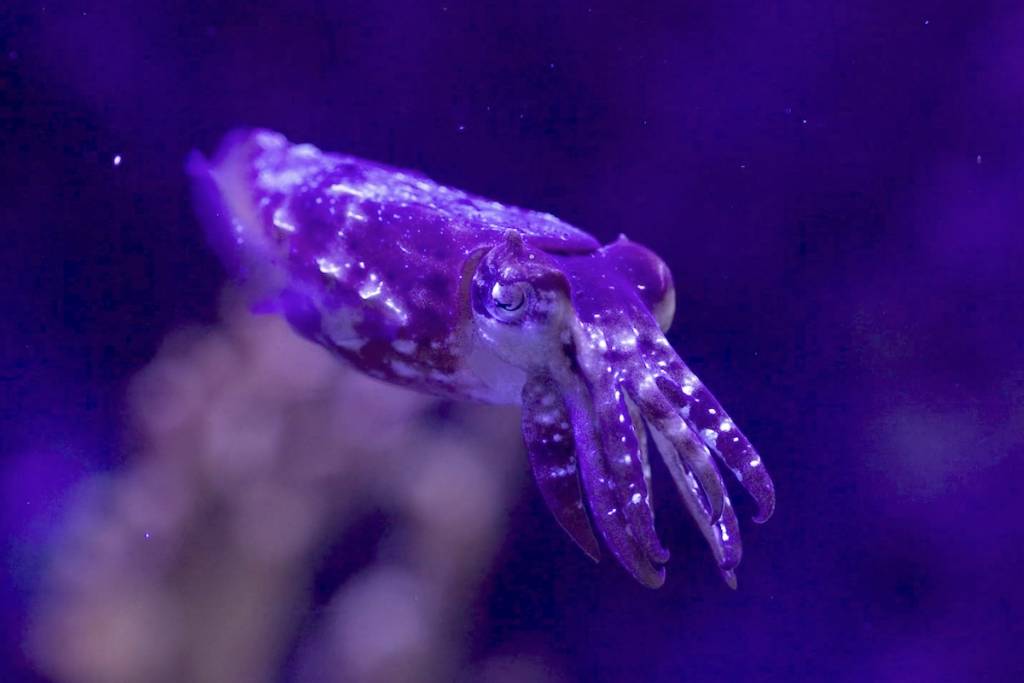
So what even is a stumpy cuttlefish anyhow? Despite their name, the ocean-dwellers are actually a form of cephalopod, according to the Shedd.
Cephalopods are a class of marine animal perhaps most identifiable by their distinctive tentacles. Octopuses and squid are both cephalopods, and thus, stumpy cuttlefish are more closely related to these creatures than to common fish.
Cuttlefish come in different species, ranging in sizes from just a few centimeters to several feet in length, according to Animal Fact.com.
The stumpy cuttlefish, however, is a dwarf species and thus remarkably small, typically ranging from about three to five inches in total length.
Despite their tiny size, the tentacled animals possess some big powers, namely the art of rapid camouflage.
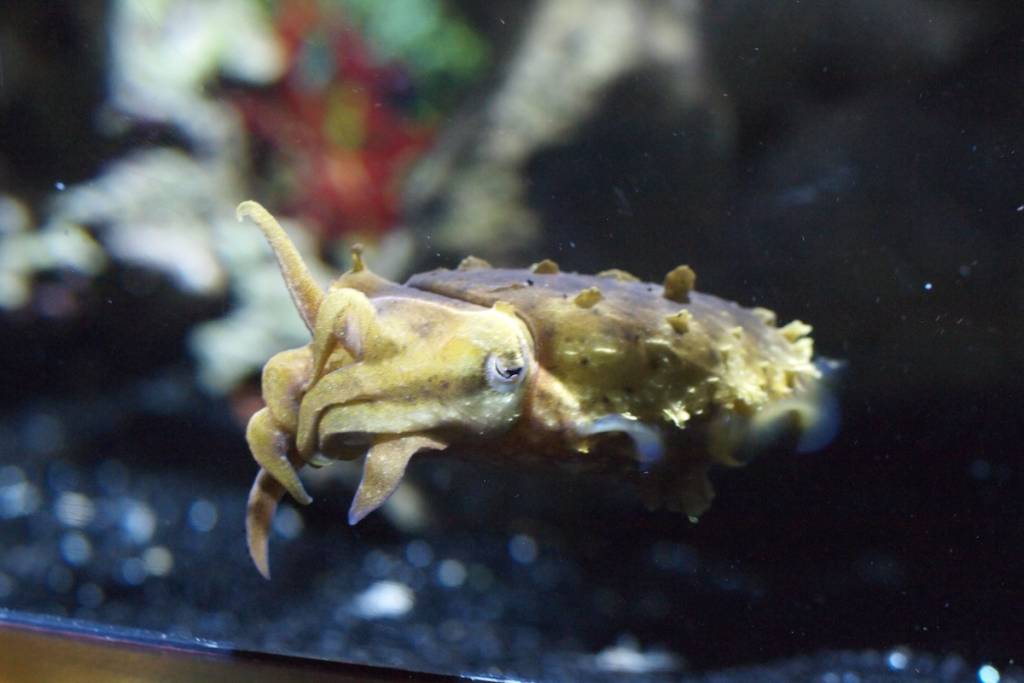
Stumpy cuttlefish are able to conceal their bodies by instantly adapting the pigments in their skin cells to their environment, according to a blog from Columbia University.
Essentially, the cephalopods can blend in with their surroundings to avoid detection by predators.
Stumpy cuttlefish possess other captivating features including a translucent fin which keeps the animals stable as they traverse the ocean.
The creatures also have hidden long tentacles beneath their smaller arms, which can lunge out and grasp prey.
The critters are carnivorous animals and typically feed on small crustaceans like crabs, shrimp, and sea snails, according to Animal Fact.com.
See the Shedd’s stumpy cuttlefish in action

Shedd visitors can stop by to catch the stumpy cuttlefish in action this winter in Chicago at the aquarium’s Wild Reef exhibit.
Five stumpy cuttlefish are currently on exhibit. Guests will want to keep their eyes peeled in order to witness these tiny, color-shifting creatures.
Learn more about the Shedd and plan your next visit here.